Training for the road ahead
Why 4WD and towing courses are worth it
Whether you're towing a caravan, hauling a boat or heading off-road in a 4x4 for the first time, confidence behind the wheel can make every trip safer and more enjoyable. Driver training helps travellers build practical skills, understand their vehicle and avoid common mistakes before they hit the road.
That's why Grace and Matt, winners of The BIG Aussie Review, recently completed towing and 4WD training with John McGrath from Driven Training before beginning their year-long lap of Australia. Travelling with a Ford Ranger and Crusader Caravan, they wanted to gain the skills and confidence needed for the adventure ahead.
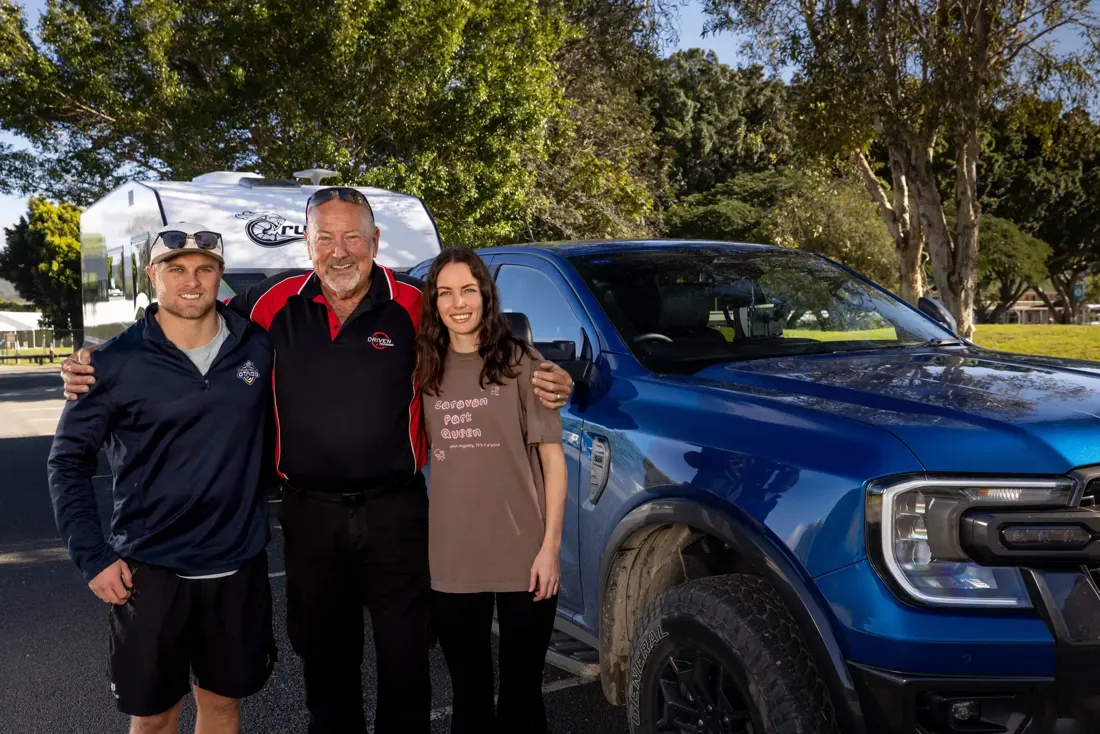
The BIG Aussie Review winners Grace and Matt, alongside Driven Training supervisor John McGrath
From nervous to confident
Like many first-time caravanners, Grace and Matt started with a few nerves.
'Damaging the brand-new car and caravan was a big one. A few hundred thousand dollars of kit was rather daunting,’ they said.
For John, helping drivers bridge the gap between uncertainty and confidence is one of the biggest benefits of professional training.
'Professional towing training helps drivers build confidence before tackling highways, mountain roads and busy holiday destinations,' says John.
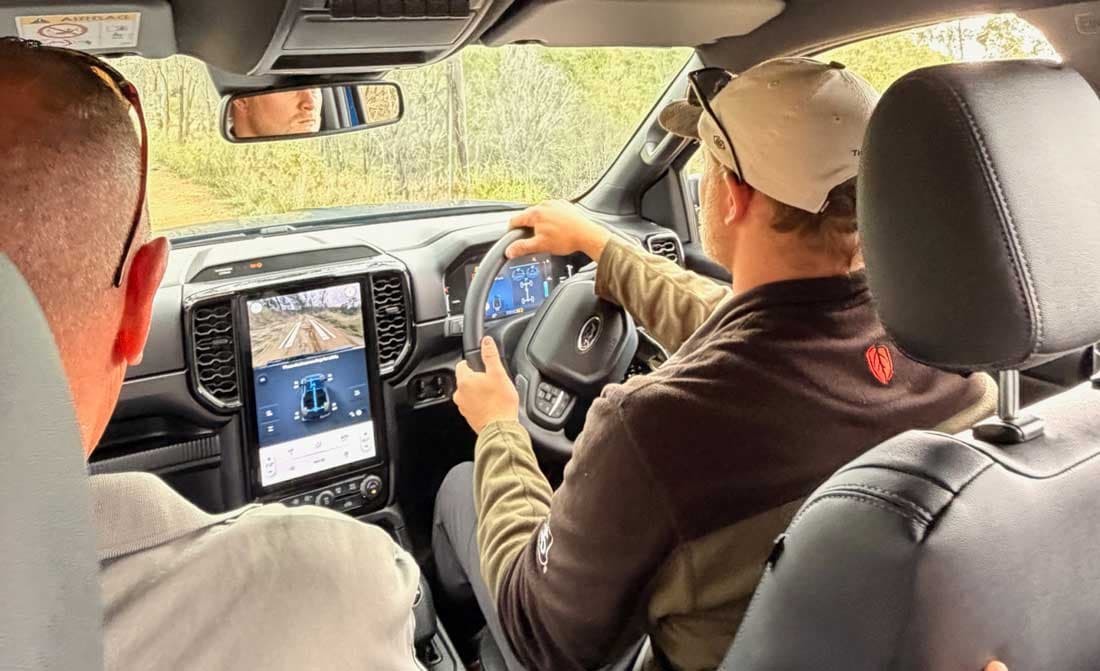
Matt putting the Ford Ranger through its paces during the 4WD training course
The journey starts before you hit the road
Many towing issues begin long before a vehicle hits the road.
'One of the biggest mistakes is assuming that if the caravan can be towed, it's safe to tow,' John says. 'Many first-time owners don't check whether their vehicle and caravan combination is within its legal weight limits once it's loaded with water, food, camping gear and personal belongings.'
It's also surprisingly easy to overlook key checks such as tyre pressures, safety chains, electrical connections, breakaway systems and load distribution. A few extra minutes before departure can be the difference between a smooth journey and a stressful one.
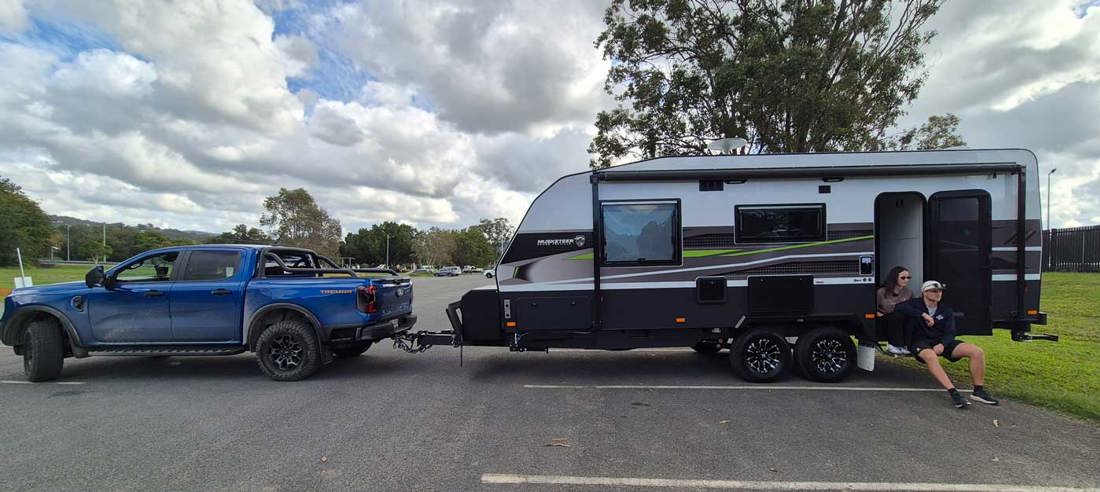
Grace and Matt took a moment to absorb all they've learned mid-way through their towing course
Why towing isn't quite like driving a car
Even experienced drivers are often surprised by how differently a towing setup behaves compared to a standard vehicle.
One of the biggest eye-openers for regular travellers Grace and Matt was understanding how much extra concentration towing requires.
'The additional concentration required to travel on stretches of road that in a car you would be able to just drive normally,' they observed.
John says driver technique is just as important as vehicle setup. 'The only things you can control on the road are your speed, the space you allow and where you position your rig on the road.'
Towing safely means thinking further ahead, leaving more room for braking and avoiding sudden inputs that can unsettle both the vehicle and trailer.

John taking Grace and Matt through everything they need to know when it comes to towing
Confidence comes from preparation
Few topics create more confusion for caravan owners than vehicle and trailer weights.
GVM, GCM, ATM and tow-ball mass might sound complicated, but understanding them can have a major impact on safety, handling and compliance.
John explains that many travellers focus only on the caravan's empty weight and forget everything they add along the way.
'Commonly overlooked items include full water tanks, food and drinks, tools, recovery gear, batteries, bikes, passengers and pets,' he says.
All of these contribute to the total weight of the vehicle and caravan combination and can affect everything from braking performance to fuel consumption.
'Understanding these figures helps owners tow more safely and with greater confidence,' John says.
For anyone new to towing, having a vehicle and caravan professionally weighed can provide valuable peace of mind before setting off.
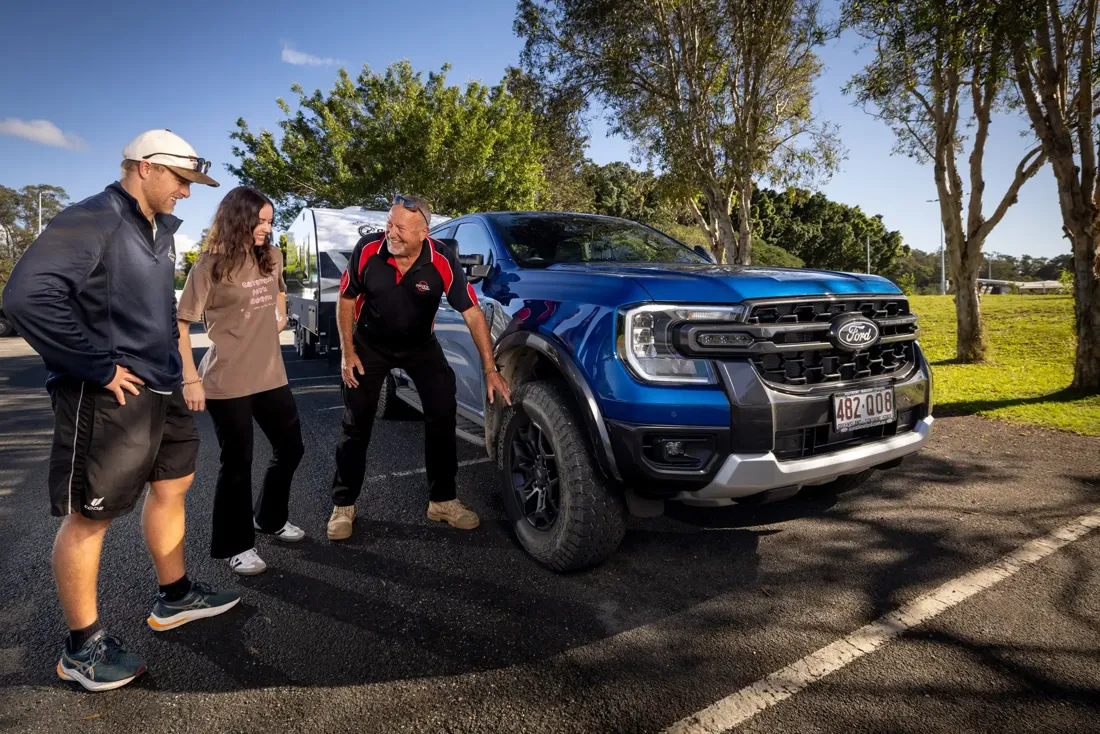
Being thoroughly prepared includes making sure the vehicle and anything you're towing are right to go
Reversing doesn't have to be intimidating
For many newcomers, reversing a caravan into a campsite is one of the most intimidating parts of caravanning.
John's advice is simple: slow down, use a spotter where possible, make small steering adjustments and don't be afraid to pull forward and reset if things aren't working.
'Take your time. There's no need to rush,' he says.
The practical training gave Grace and Matt plenty of opportunities to build those skills in a controlled environment.
One moment in particular stood out. 'Reversing the caravan around the bend into the park was pretty awesome. There were plenty of eyes on us, and to do this was awesome.'
It's exactly the sort of scenario that can feel stressful when you're learning, but becomes far less daunting with the right techniques and a bit of practice.
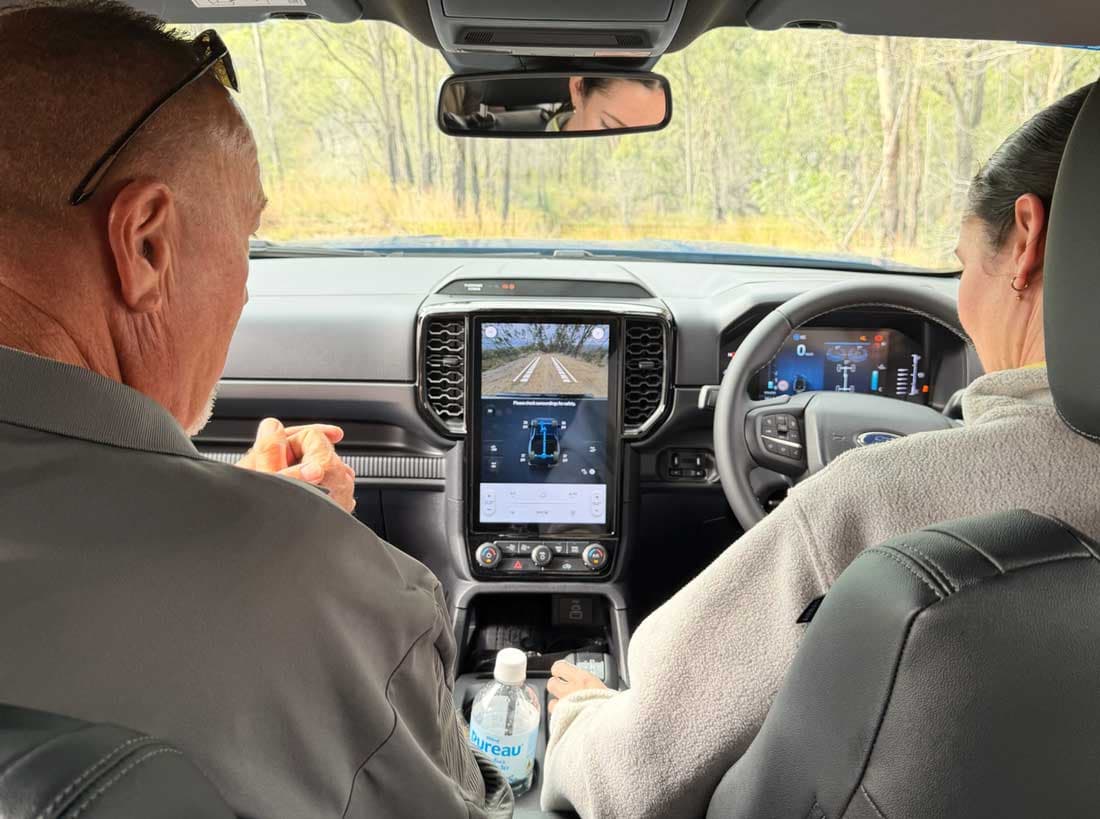
Grace learning how to embrace the technology to help with reversing, when 4WD or with a van hitched up
Modern technology is there to help
Today's tow vehicles are packed with technology designed to make towing and off-road driving easier, but many owners never learn how to use it properly.
For Grace and Matt, one of the most valuable parts of the training was understanding the capabilities of their Ford Ranger.
'The amount of tech within the Ford is incredible. Functions that you would never think of make navigating 4WD and towing so much easier,' they said.
From towing modes and off-road settings through to advanced driver assistance systems, learning how vehicle technology works can reduce driver workload and build confidence, particularly on long-distance trips.
Watch Grace and Matt undertake their towing course with John from Driven Training
The simplest 4WD lesson is often the most important
When it comes to off-road driving, John says beginners often focus on accessories and modifications when they should be focusing elsewhere.
'Tyre pressure is often more important than additional vehicle modifications,' he says.
Lowering tyre pressures appropriately for sand, gravel and rough terrain can improve traction, protect the vehicle, reduce track damage and make driving easier.
For drivers new to off-roading, John recommends building skills gradually rather than jumping straight into difficult tracks.
'Start in easy, controlled environments and take time to practise,' he says. 'Building experience gradually allows drivers to develop sound judgement and confidence without unnecessarily risking vehicle damage or becoming stranded.'
The lesson is simple: experience and technique will usually take you further than expensive upgrades alone.
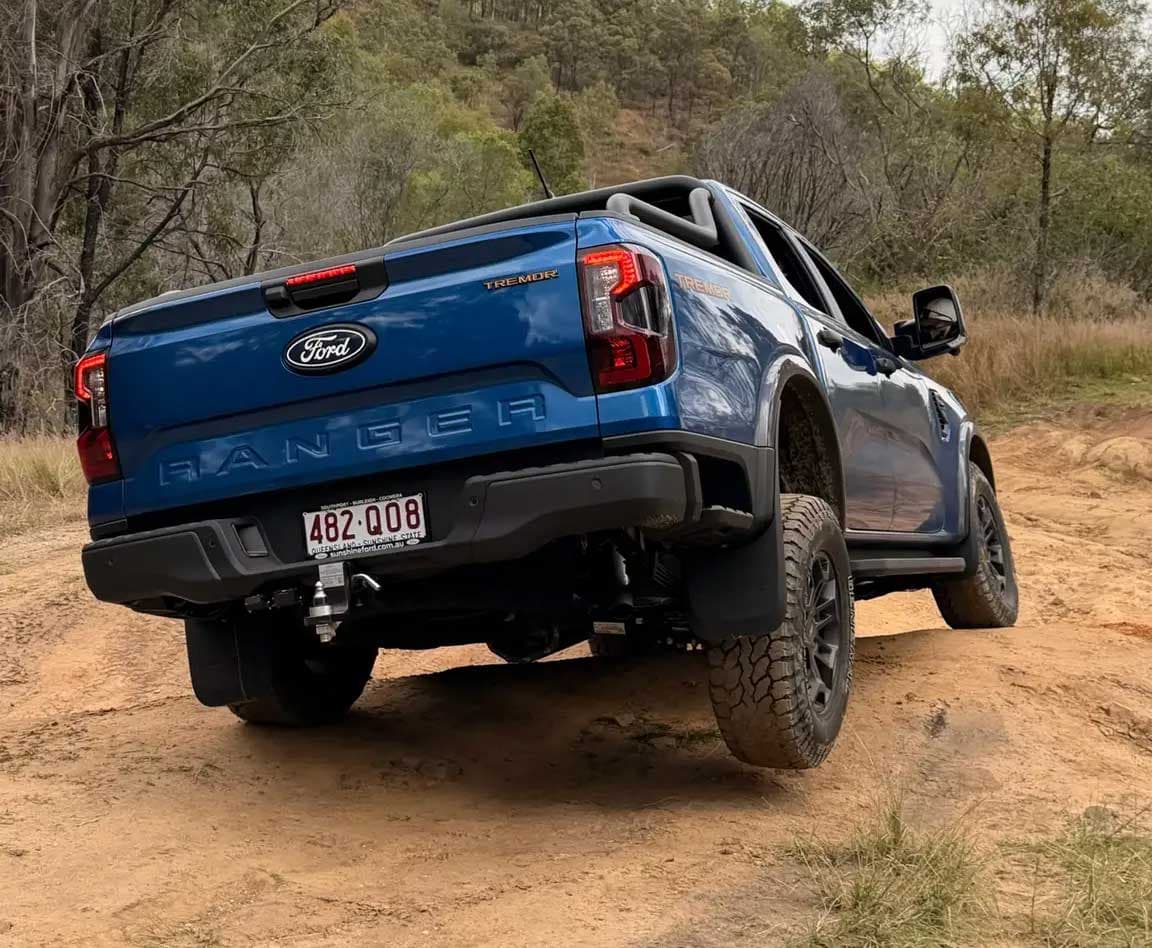
Driving off-road doesn't have to go 'off the rails' with the right training
Why every traveller can benefit from training
While many people see training as something only first-time caravanners or 4WDers need, John believes drivers of all experience levels can benefit.
'Even experienced caravanners often discover safer, more efficient techniques that improve vehicle control, reduce wear and tear, and make towing more enjoyable,' he says.
For Grace and Matt, confidence was one of the biggest outcomes.
'The course was massive for boosting our confidence. John was able to ease nerves and show us in constructive ways how to approach each step.'
Training also provides an opportunity to practise manoeuvring, vehicle handling and safety techniques in a controlled environment rather than learning through trial and error on the road.
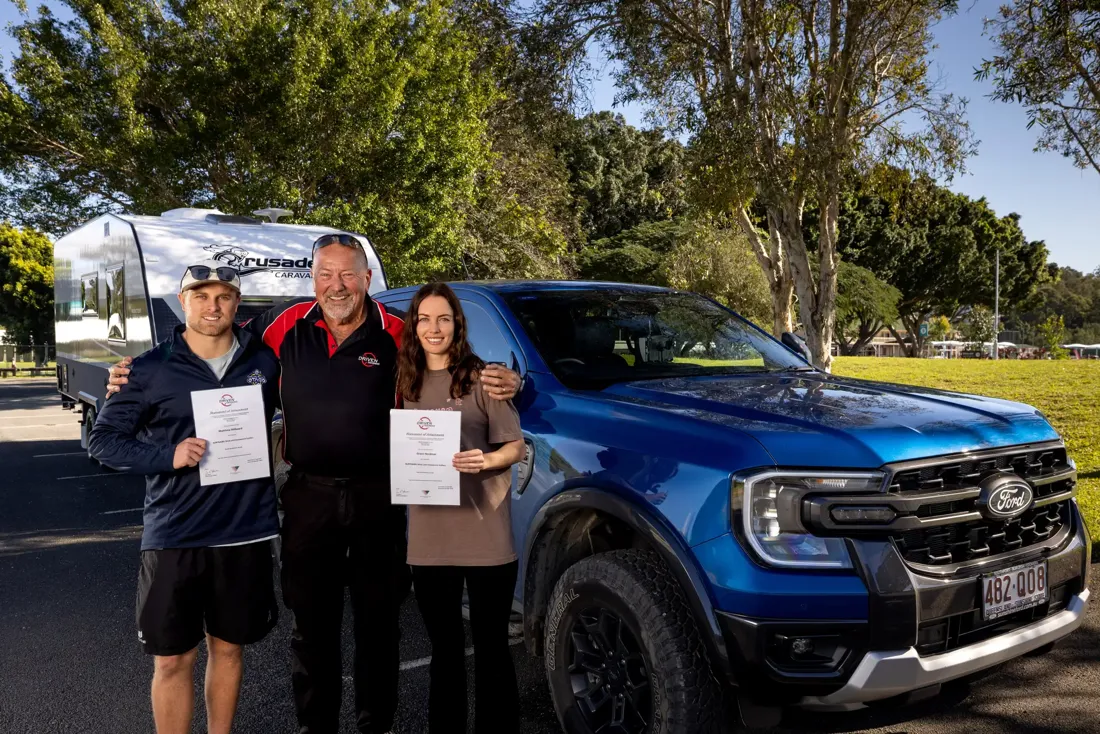
John with a satisfied Grace and Matt and their completion certificates after finishing their towing course
Ready for your own adventure?
As Grace and Matt continue their BIG Aussie Review journey, they'll be relying on the skills and confidence gained during training every day on the road.
Perhaps John's most important lesson is also the simplest: 'Don't rush it. Take the time and think about the situation you may be in. Stop, look, assess, plan and safely proceed.'
Whether you're planning your first caravanning holiday, a boating getaway or a bucket-list lap of Australia, quality driver training can make every kilometre safer and more enjoyable.
Once you're ready to put those skills into practice, book a stay at a BIG4 Holiday Park and start exploring with confidence.
For more information about towing and 4WD courses, visit Driven Training.