
Choose the right caravan with Crusader
Buying a caravan is exciting, but it’s also one of those decisions where getting it right early makes all the difference. The right van doesn’t just get you from A to B. It shapes how comfortable you feel setting up, how smoothly the days run and how enjoyable life on the road actually is.
Before comparing floorplans, finishes or features, it’s worth stepping back and thinking about how you travel. Beach breaks at holiday parks, long coastal road trips, off‑grid escapes or a mix will push you towards very different caravan priorities.
To help unpack what really matters, we spoke with Serge Valentino, Founder and CEO of our partners Crusader Caravans, to share practical insights on choosing and building a caravan that suits your travel style, your crew and your future plans.
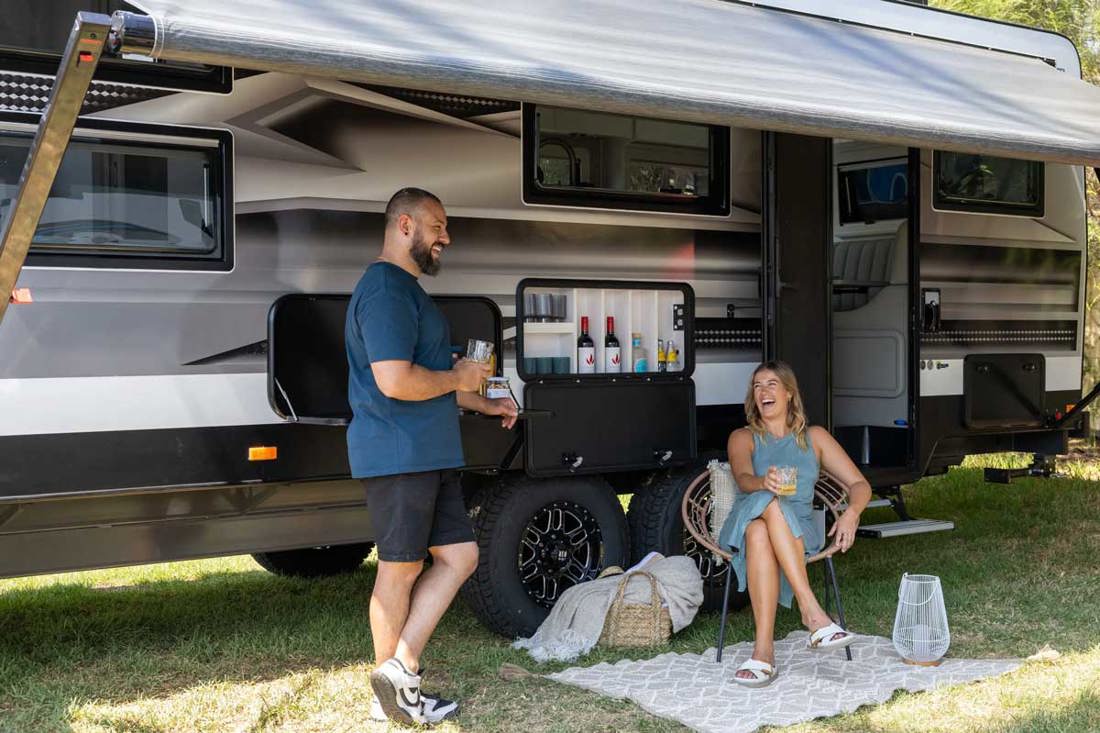
Knowing how you travel, or plan to, can make a real difference when deciding what van to buy
Start with how you really travel
One of the biggest pitfalls for buyers is choosing a caravan based on an aspirational trip, rather than the types of holidays they usually take.
‘A lot of people buy for the trip they imagine doing one day, not the trips they do regularly,’ says Serge. ‘That’s where unnecessary weight, cost and compromise can creep in.’
If most of your stays are at holiday parks such as BIG4 locations, with access to power, water and shared facilities means you can focus on internal comfort, living space and everyday usability. In these cases, heavy off‑road upgrades and oversized power systems may offer little real benefit for the extra dollars.
For travellers planning extended remote trips, free camping or long stretches off the beaten track, priorities shift to suspension, water capacity and off‑grid capability.
‘You should build the van around how you travel most of the time,’ Serge says. ‘Once that’s right, you can decide where extra capability is genuinely worth it.’
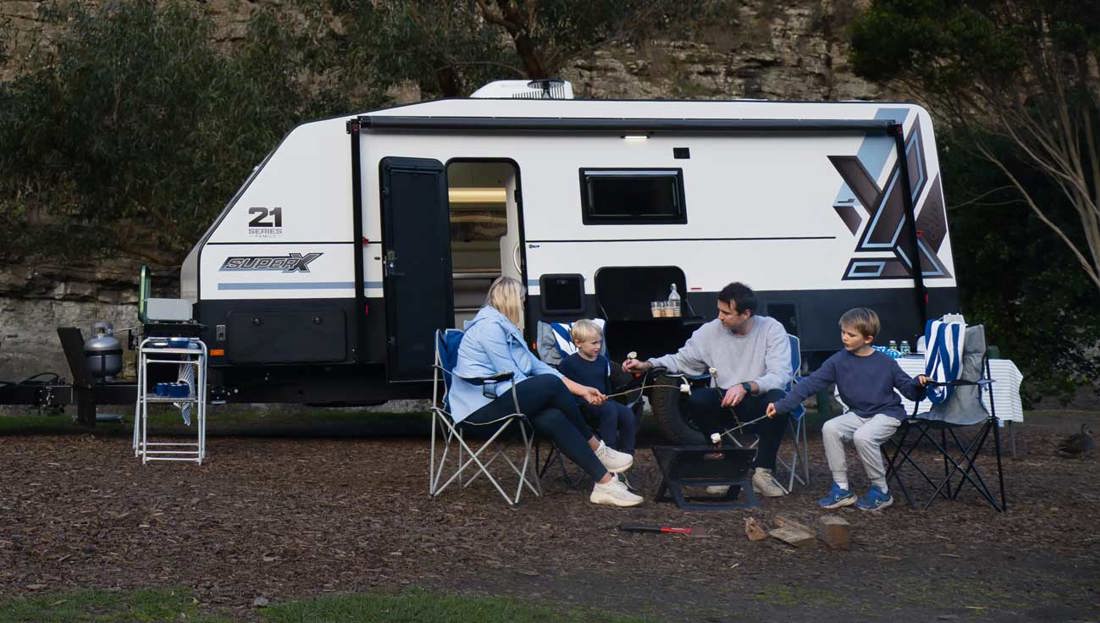
Where you go and who you take along can help define what caravan is right for you. Crusader Caravan's subsidiary Dreamhaven is pictured.
Choosing the right caravan for couples and families
Who you travel with has a major impact on caravan layout and functionality.
Couples often prioritise open living spaces, good internal flow and a comfortable ensuite that supports longer stays.
‘For couples, it’s usually about space and comfort,’ Serge explains. ‘A layout that feels open, with a usable lounge and ensuite, makes a big difference when you’re travelling for weeks at a time.’
Families tend to value zoning and separation. Dedicated bunks, flexible dining areas and designs that reduce congestion help manage busy routines and shared spaces.
‘With families, layout matters more than almost anything else,’ says Serge. ‘Separate sleeping areas and enough room to move around without stepping over each other are critical.’
It’s also worth thinking ahead. A layout that works when kids are small may feel limiting as they grow taller and need more storage and personal space.
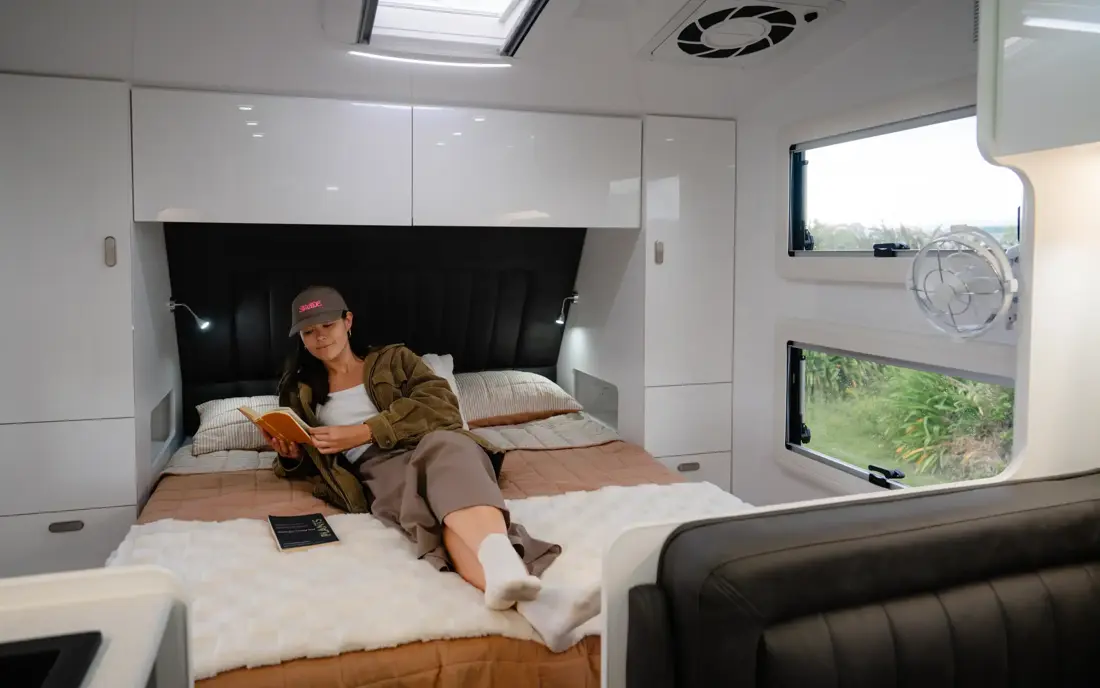
If you're a couple, don't waste space and extra money on a family van if adding family members isn't in your future

Floorplans that work for kids, pets and real life
A caravan might look perfect on paper, but everyday use is what reveals whether a floor plan truly works.
Separate toilets and showers can significantly improve daily routines, especially for families. Entry design also plays a role, particularly for travellers with pets. Space just inside the door for towels, leads or a dog bed can reduce clutter elsewhere.
‘Bottlenecks are what cause frustration,’ Serge says. ‘If one person blocks access to the whole van while showering or getting changed, you’ll feel it very quickly.’
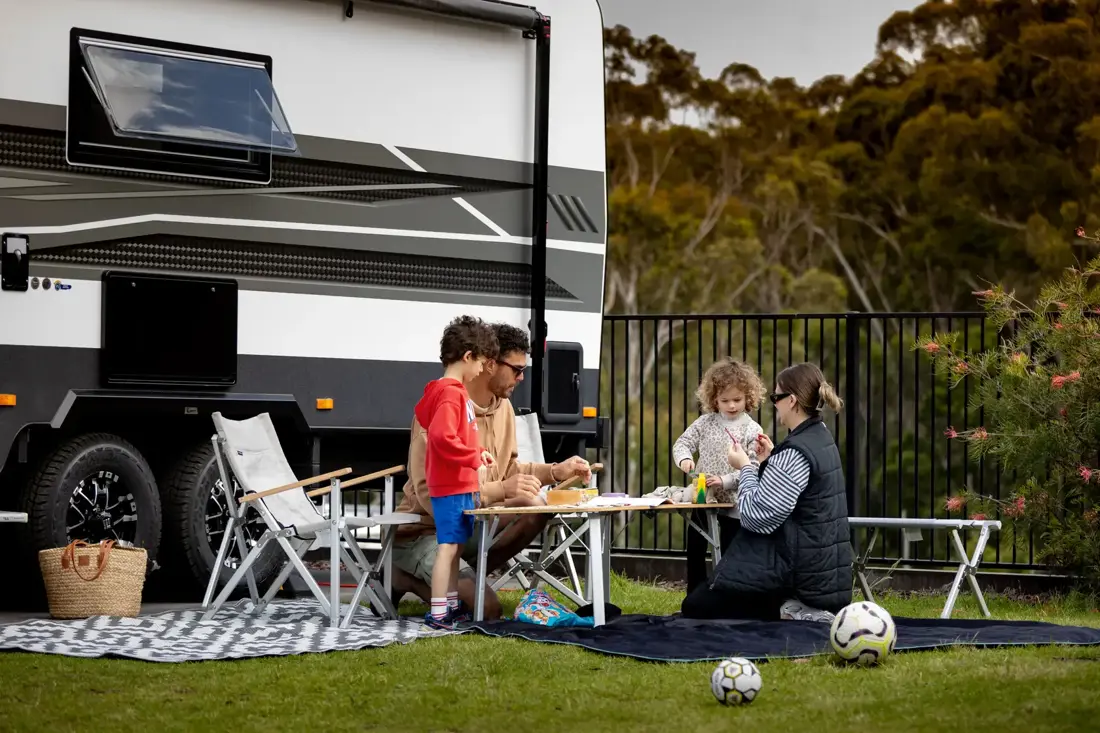
Nailing the right floor plan can help make your holidays all the smoother
Storage: Weekend escapes versus long‑term touring
Storage needs vary dramatically depending on how long you travel for.
Short stays and weekend trips tend to benefit from accessible external storage for chairs, outdoor gear and BBQs. Long‑term touring requires more internal storage, including hanging space, pantry room and cabinetry that supports ongoing organisation.
‘Storage isn’t about cramming in more cupboards,’ says Serge. ‘It’s about how usable that space is day to day.’
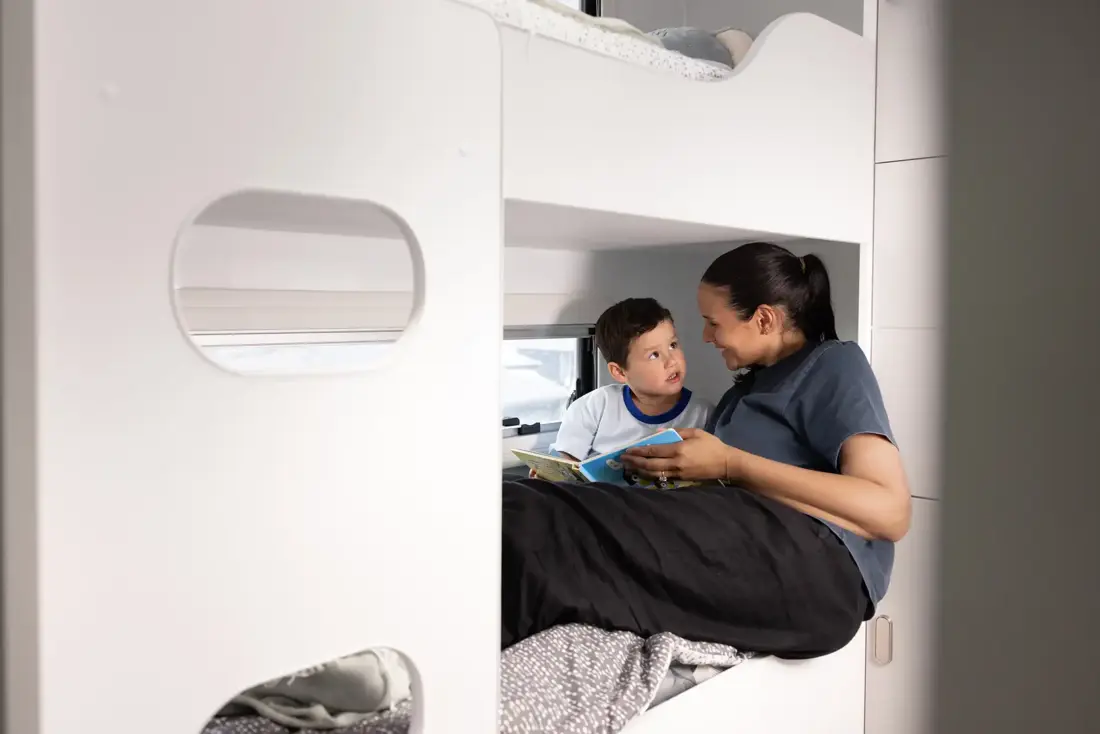
Getaways are more comfortable with spaces that are thoughtfully considered
Understanding towing before you commit
Towing compatibility is one of the most important considerations when choosing a caravan, yet it’s often misunderstood.
Before committing to a van, buyers should understand their vehicle’s towing limits, payload, ball weight and gross combination mass. These figures determine not just legality, but stability and safety.
‘You need to look beyond the advertised towing capacity,’ Serge says. ‘Once you add water, food and gear, weights add up very quickly.’
Construction methods play a role here, too. Lightweight composite builds, such as Crusaders, can reduce overall weight without sacrificing strength, allowing for greater flexibility when matching a van to a tow vehicle.
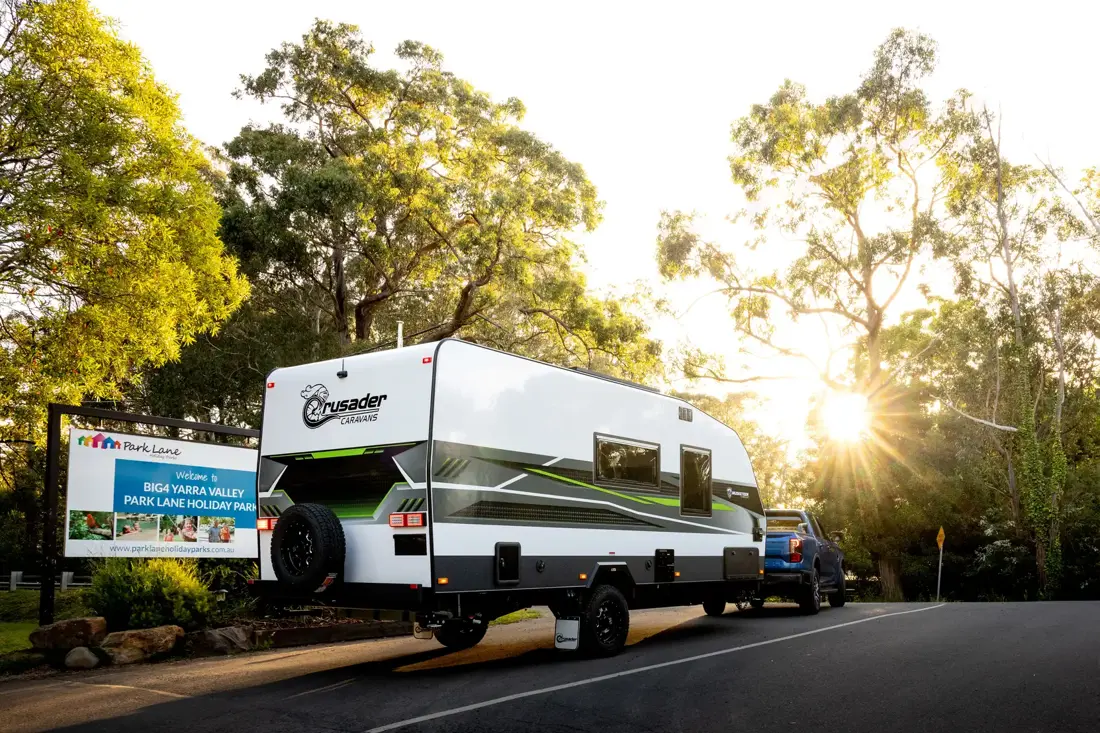
Making sure a van is going to be able to be towed by your vehicle is often neglected when buying, but super important to consider
How much off‑grid capability do you really need?
Off‑grid capability is appealing, but it’s not always necessary.
Travellers primarily staying in holiday parks often only need modest battery and solar setups to support overnight stops or short off‑grid stays. Larger systems add cost and weight that may rarely be used.
‘If you’re mostly staying in parks, you just don’t need massive power systems,’ Serge explains. ‘But if free camping is a big part of your travel, then robust batteries and solar make sense very quickly.’
Honesty about how often you’ll unplug helps prioritise spending where it actually matters.
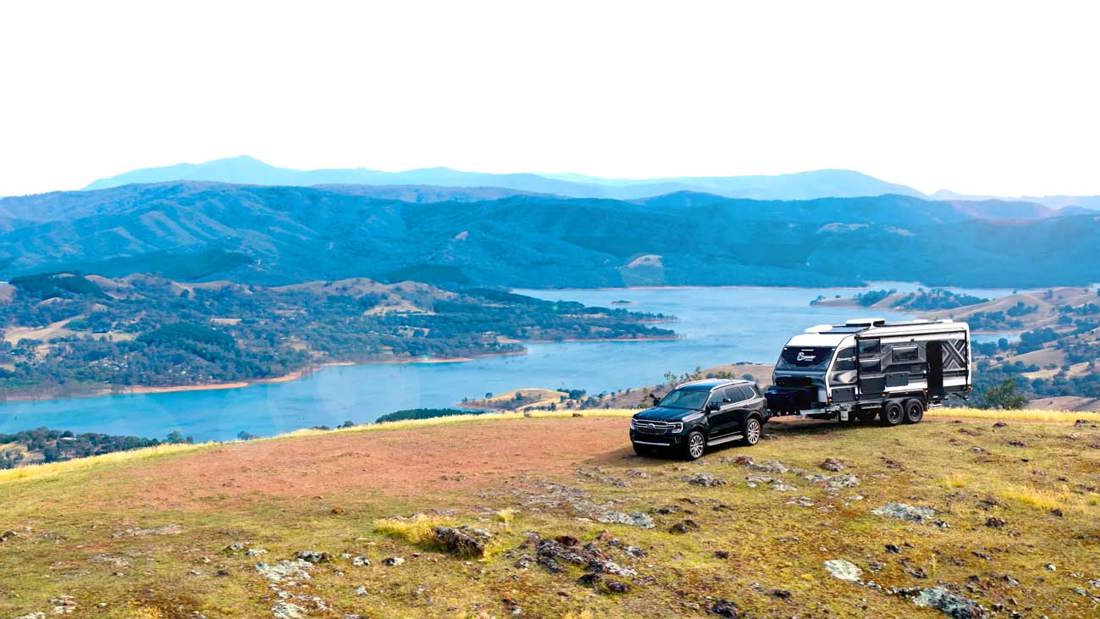
Do you actually need an off-grid capable van? It's something that's certainly worth thinking long and hard about
Why build quality matters long after the purchase
Construction quality affects more than comfort. It impacts durability, maintenance and resale value over the life of a van.
Traditional timber framing can be vulnerable to moisture over time. Composite construction eliminates this risk while improving insulation and temperature control, especially in Australian conditions.
‘The structure of the van is something you live with for years, even if you don’t think about it every day,’ Serge says. ‘Good construction protects the owner long term.’
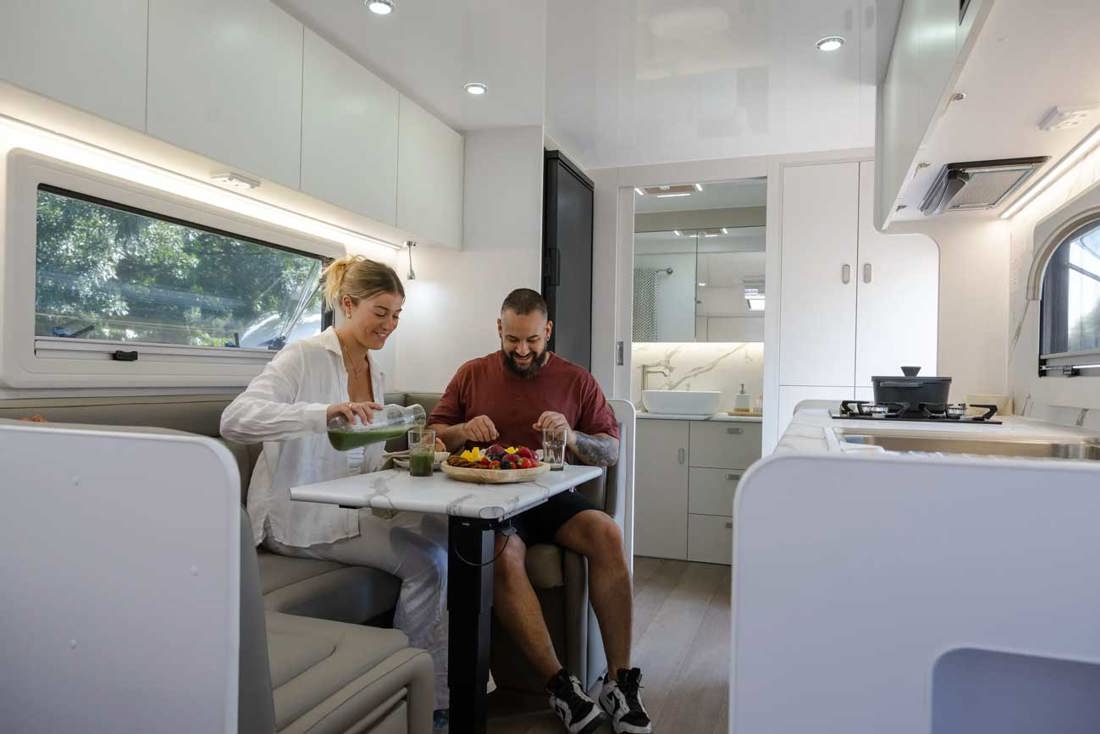
A well-built van can protect you and your investment long after you buy it
If budget is tight, what should you prioritise?
Budget limitations are common, so understanding where to invest first is crucial.
Serge recommends prioritising structure, layout and weight. These cannot be easily changed later, whereas optional extras and cosmetic upgrades can often be added down the track.
‘Get the fundamentals right,’ he says. ‘A well‑designed, well‑built van will always deliver better long‑term value.’
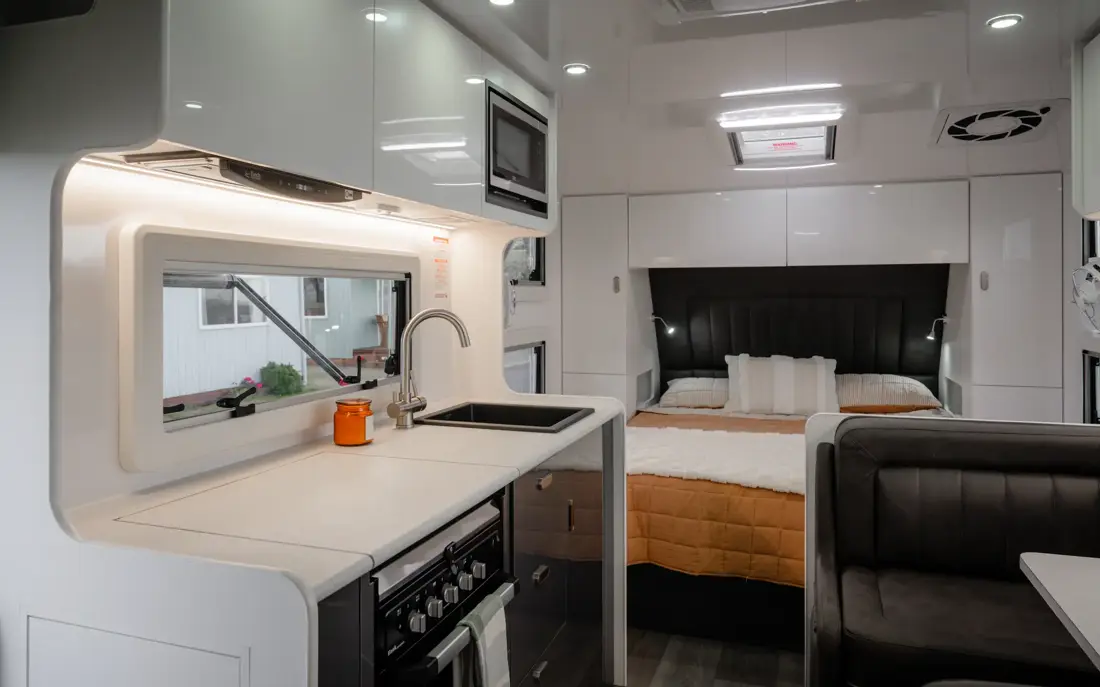
Knowing which features you really want and will use can help you know where to direct your money
Matching the van to your style of stay
Travellers who spend most of their time in holiday parks generally benefit from caravans designed around comfort, ease of setup and everyday living, rather than heavy‑duty off‑road capability.
‘For park stays, it’s about how easy the van is to live in,’ Serge says. ‘Space, appliances and layout tend to matter more than extreme capability.’
Those planning extended touring or remote travel may need a different balance, combining durability with comfort for longer periods on the road.
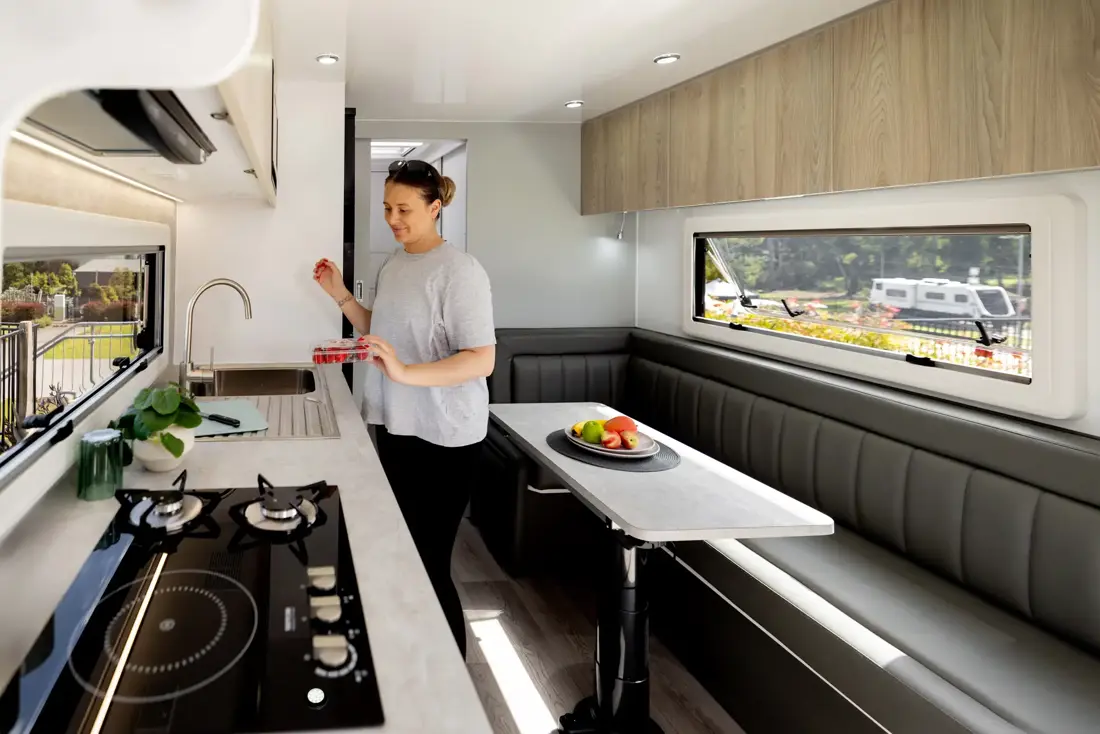
Find a caravan that fits with the type of stays you usually go on
One final piece of advice
For those just starting their caravanning journey, Serge suggests spending time learning what actually matters before committing.
‘Hiring a caravan for a short trip teaches you more than months of research,’ he says. ‘You very quickly learn what you do and don’t need.’
Understanding that early makes it far easier to invest in a van that suits your holidays now and into the future.
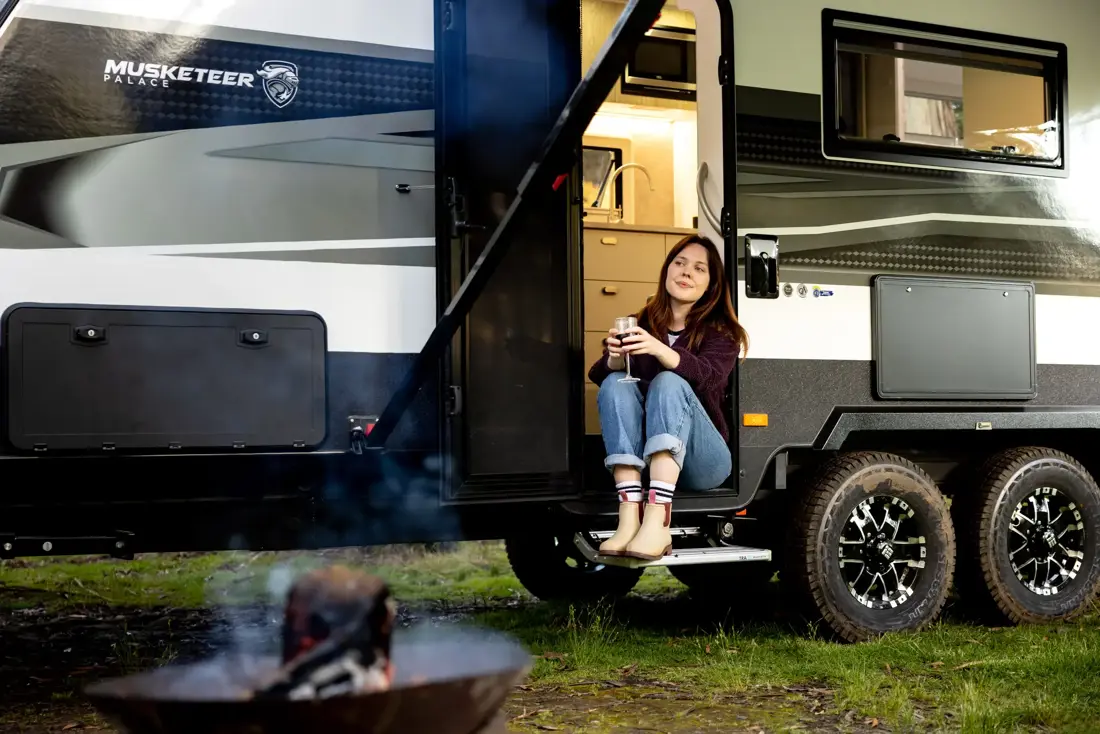
Hiring a van to get a feel of what you like, and don't like, can be invaluable
Check out our Perks+ membership benefit when you purchase a Crusader Caravans, or browse the Crusader range on their website.